
News
Vanuatu Plans to Establish Marine Protected Areas to Strengthen Tuna Conservation and Revenue Sharing!
The Prime Minister of Vanuatu, Jotham Napat, explicitly stated that in order to address the challenge of unstable tuna yields, the government is discussing the designation of dedicated marine protected areas. This initiative aims to comprehensively enhance the nation's control over its territorial sea resources.
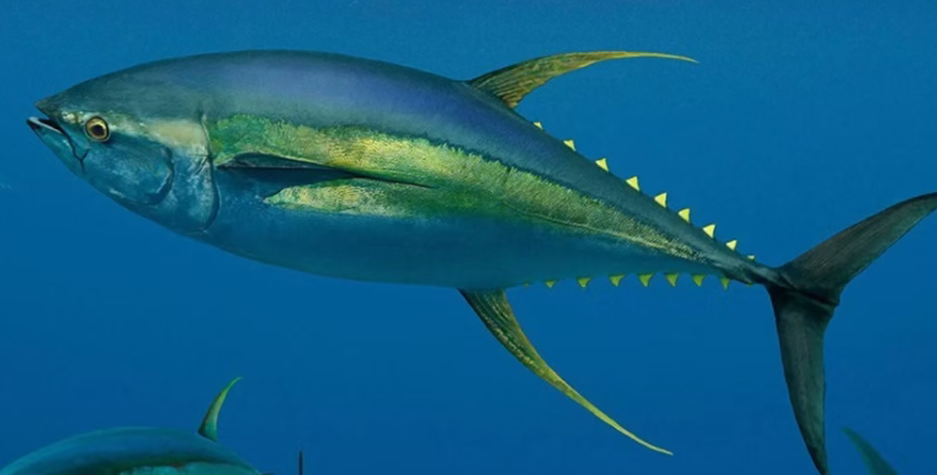
During the recently concluded commemorations of World Tuna Day, Napat revealed that he would depart for Papua New Guinea this week.
There, he plans to consult with the leaders of Papua New Guinea and Fiji regarding intentions to establish marine reserves on both the northern and southern sides of the ocean area.
Napat pointed out that doing so is to manage tuna, a core asset, in a more scientific manner.
Pacific nations are currently deeply concerned about the survival status of tuna. Napat admitted that although Vanuatu possesses vast marine territory, its tuna populations are facing severe pressure from declining yields.
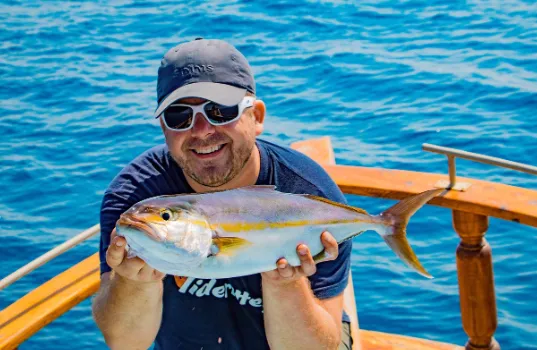
The annual report of the Western and Central Pacific Fisheries Commission in July 2025 indicated significant shifts in catch data within Vanuatu's Exclusive Economic Zone (EEZ).
increasing from 4,642.98 tonnes in 2023 to nearly 6,991 tonnes in 2024.
In terms of species distribution, albacore tuna accounted for approximately 65% of the share, yellowfin tuna around 20%, and the remainder consisted of bigeye tuna. Notably, the vast majority of operations were carried out by foreign fishing vessels.
Regarding whether tuna resources are truly shrinking, the local media outlet *Daily Post* expressed reservations.
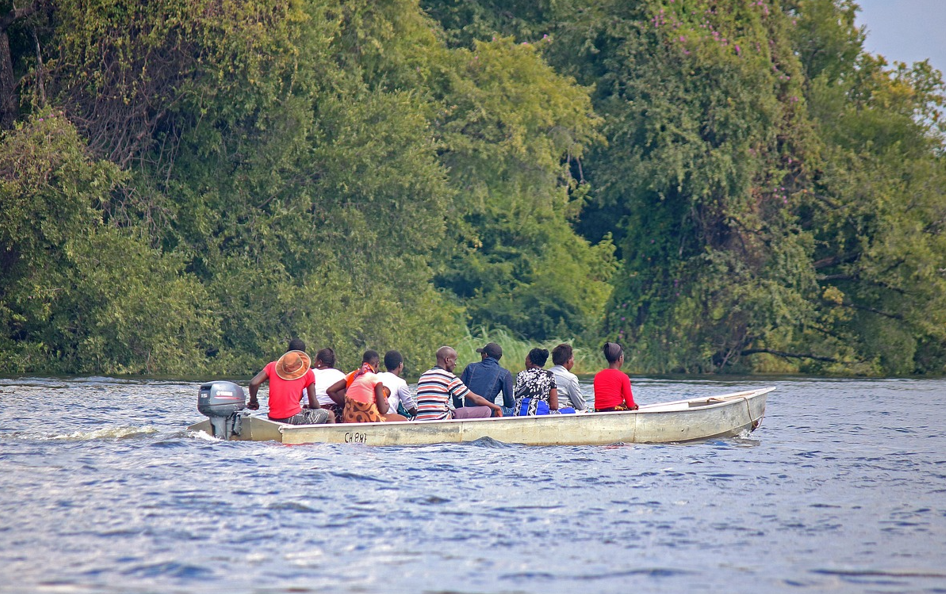
The newspaper believes that current skipjack and albacore tuna populations remain relatively healthy and are far from depleted. The fluctuations in catch volumes in recent years are more likely due to a decrease in the number of vessels operating in the area rather than a collapse of the fish stocks.
Meanwhile, Vanuatu faces many challenges in leveraging its marine resources for economic wealth. Currently, much of the fresh fish caught locally is directly transported to neighboring countries such as Fiji for processing and export. This leaves Vanuatu with relatively limited domestic economic benefits.
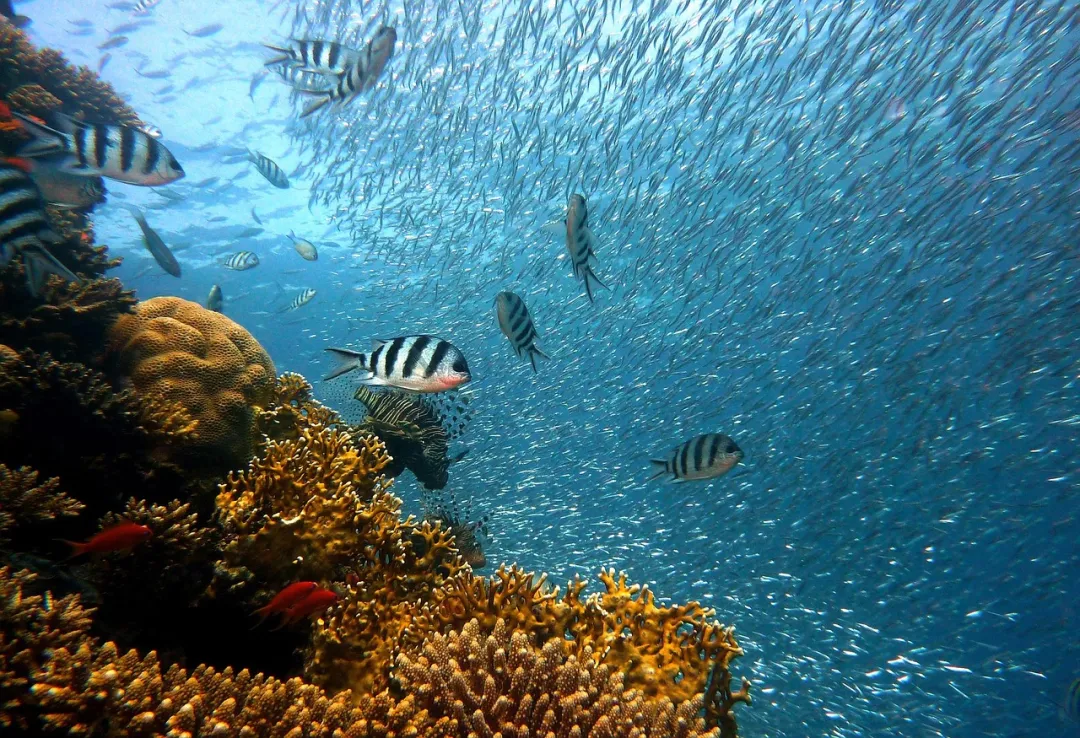
Napat mentioned that as a nation where 80% of the territory is water, Vanuatu has yet to fully realize the economic potential of its ocean treasures, particularly the fishing industry. The upcoming discussions on protected areas will focus on the sustainable development of fisheries and the long-term management of tuna.
Observers believe that Napat's statements indicate Vanuatu is moving toward more stringent marine regulation. The government aims to secure its ecological foundations while capturing a larger share of the value in the fishery trade chain.