
News
In May 2026, Vanuatu Rapidly Advanced Multiple Initiatives Aimed at Improving Livelihoods and Boosting Economic Development!
In May 2026, the Government of Vanuatu advanced several key projects in the areas of infrastructure construction and livelihood security.
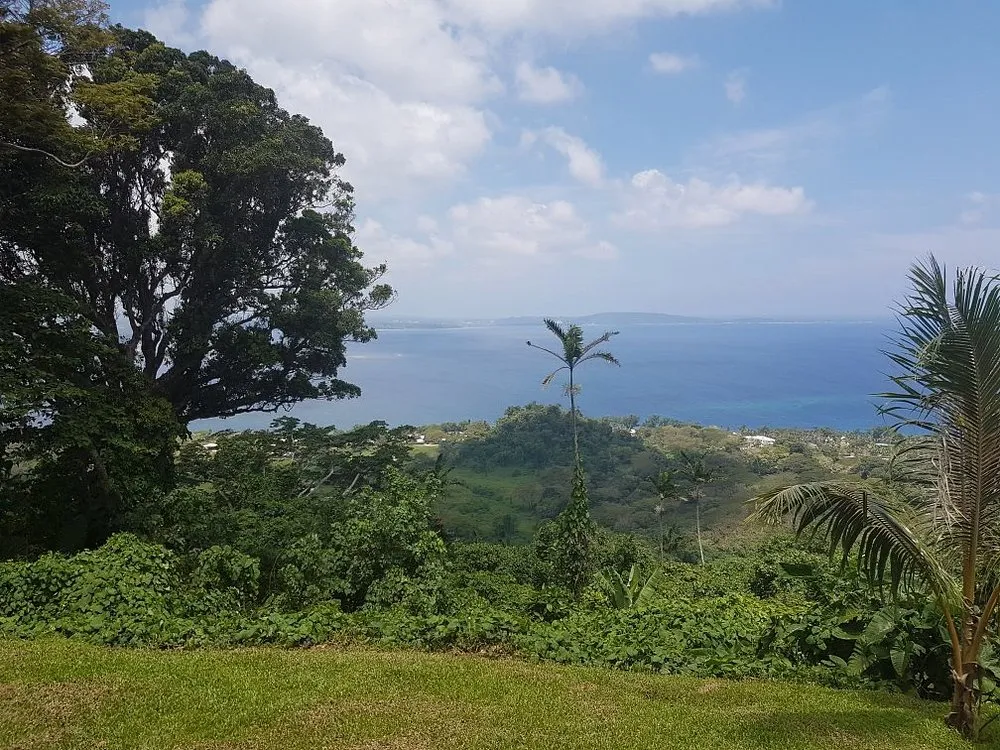
These actions focused on four aspects: the improvement of the transport network, the enhancement of healthcare resilience, digital coverage, and energy structure transformation, directly driving up citizens' standard of living through the upgrade of hardware facilities.
Transport Infrastructure | Improving Agricultural Logistics Efficiency and Healthcare Accessibility
At the beginning of May, Phase II of the South Coast Road Project on Santo Island, Vanuatu, was officially handed over and put into use. Built with external assistance, the project features a high-standard asphalt surface, connecting several remote agricultural communities in the southern part of the island to major ports.
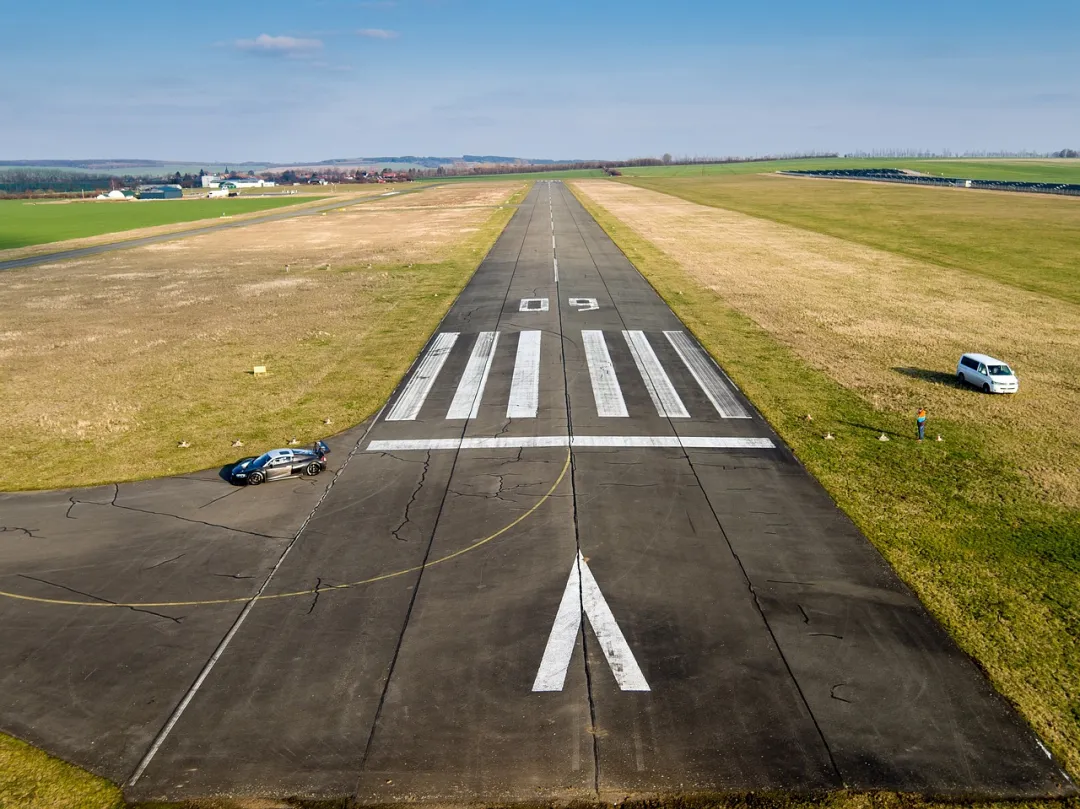
In terms of the actual impact on livelihoods, the opening of this road resolved the transport challenges that had long troubled local farmers. May coincided with the peak harvesting period for cocoa and copra, and the loss rate of agricultural products due to poor road conditions dropped from 20% to below 5%.
At the same time, the improved transport conditions enabled emergency medical vehicles to access previously unreachable villages, reducing transfer times for patients in remote areas by approximately 50%. This effort to address transport deficiencies provides foundational support for the local rural economy and public safety.
Healthcare and Sanitation | Strengthening Safeguard Capabilities Against Climate Disasters
In response to the frequent cyclones and global warming risks in the South Pacific region, the expansion and renovation project of the Vila Central Hospital in Port Vila reached milestone completion in mid-May.
The newly completed medical complex not only increases the number of beds but, more importantly, introduces cyclone-resistant design standards and independent life support systems.
The depth of the project lies in its "normal-to-disaster integrated" strategy. The independent power and water supply systems launched in May ensure that the hospital can maintain fully functional operations for at least 14 days, even when extreme weather disasters disrupt the main city grid.
Through this construction model, the government seeks to shift away from the passive dynamic of past "temporary post-disaster repairs" toward establishing a long-term, climate-resilient medical and livelihood security system.
Digital Development | Bridging Regional Service Gaps Through Satellite Technology
During May, the Ministry of Telecommunications of Vanuatu fully launched the "Remote Islands Digital Connectivity Program." Restricted by geographic fragmentation, many of Vanuatu's outer islands have long remained in signal dead zones.
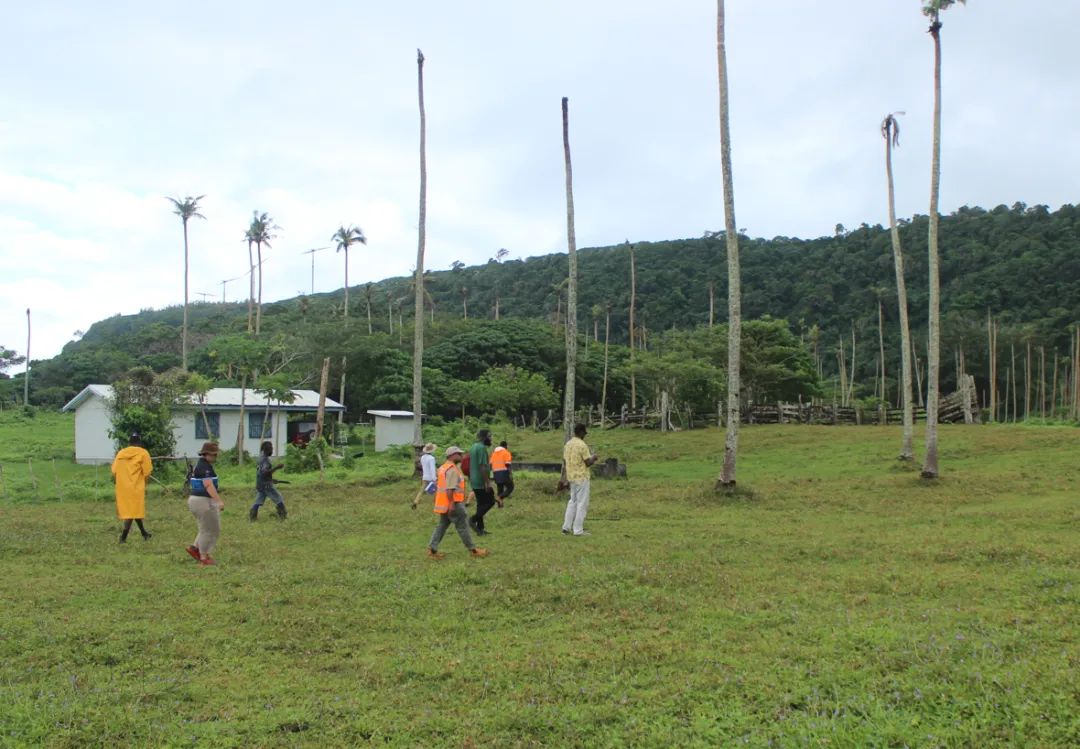
This month, in collaboration with low-Earth orbit satellite service providers, the government completed the first phase of installing high-speed satellite broadband equipment in schools and health clinics across 50 remote communities.
This initiative brought immediate improvements to local livelihoods. In late May, multiple outer-island schools connected to Port Vila's distance education platform for the first time. Concurrently, telemedicine diagnostic systems began pilot operations at these sites.
Digital development here is no longer merely a means of communication, but serves as a low-cost, high-efficiency public service delivery tool, mitigating the unequal distribution of educational and medical resources between the capital and the outer islands.
Energy Transition | Reducing Living Costs and Enhancing Energy Security
At the end of May, a large-scale commercial battery energy storage array on Efate Island was put into operation, marking a crucial step toward Vanuatu's "2030 Renewable Energy Target." With the integration of this system, the local grid's dependence on imported diesel for power generation has been further reduced.

According to the data, residential electricity prices in Port Vila and surrounding areas experienced a slight downward adjustment in May. For low-income families, the reduction in energy expenditures translates directly to increased purchasing power.
In addition, the government parallelly advanced village-level solar water supply projects in May, utilizing photovoltaic power to drive water pumps and resolving drinking water safety issues for several villages in arid areas.
This series of actions indicates that livelihood improvement efforts have shifted from point-to-point emergency assistance to systematic construction supported by solid infrastructure.
Through the coordinated development of roads, hospitals, the internet, and green energy, the government is progressively building a more resilient social operating system. These initiatives not only address current livelihood challenges but also lay a physical foundation for the country's medium-to-long-term sustainable development.