
News
Papua New Guinea, Fiji, and Vanuatu Sign Cooperation Agreement on Joint Management of Transboundary Maritime Areas!
Recently, Papua New Guinea Prime Minister James Marape, Fiji Prime Minister Sitiveni Rabuka, and Vanuatu Prime Minister Jotham Napat signed the "Melanesian Ocean Corridor of Reserves (MOCOR) Declaration" during the Pacific Ocean Summit in Port Moresby.
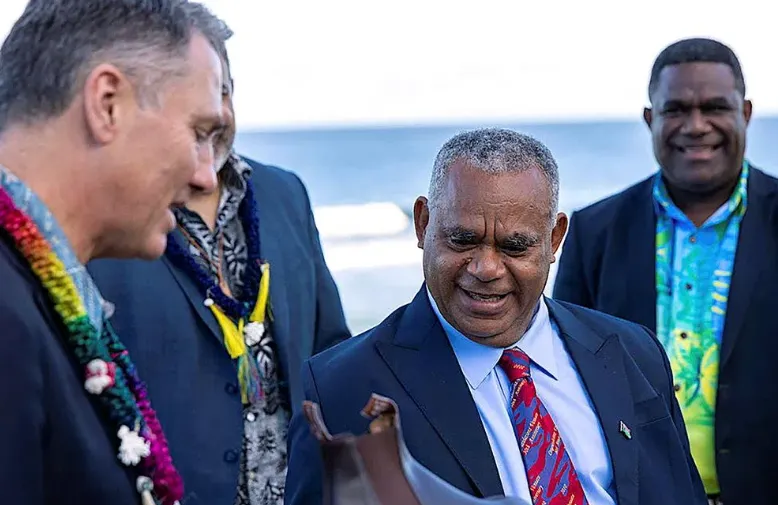
The ceremony was held at APEC Haus, witnessed by United Nations Secretary-General's Special Envoy for the Ocean Peter Thomson.
At the core of the agreement is the establishment of a transboundary network of Marine Protected Areas (MPAs). This corridor plan encompasses five Pacific countries and territories, including Papua New Guinea, the Solomon Islands, Vanuatu, Fiji, and New Caledonia.
Currently, the Solomon Islands is undergoing its prime ministerial election process and did not send a representative for the signing; however, the framework has reserved a place for the nation, and all parties expect it to join the cooperative system once its political situation stabilizes.
The MOCOR Declaration is not merely a conservation initiative, but a cooperative framework involving multiple administrative and law enforcement dimensions. Participating nations plan to utilize this mechanism to resolve long-standing transboundary governance challenges.
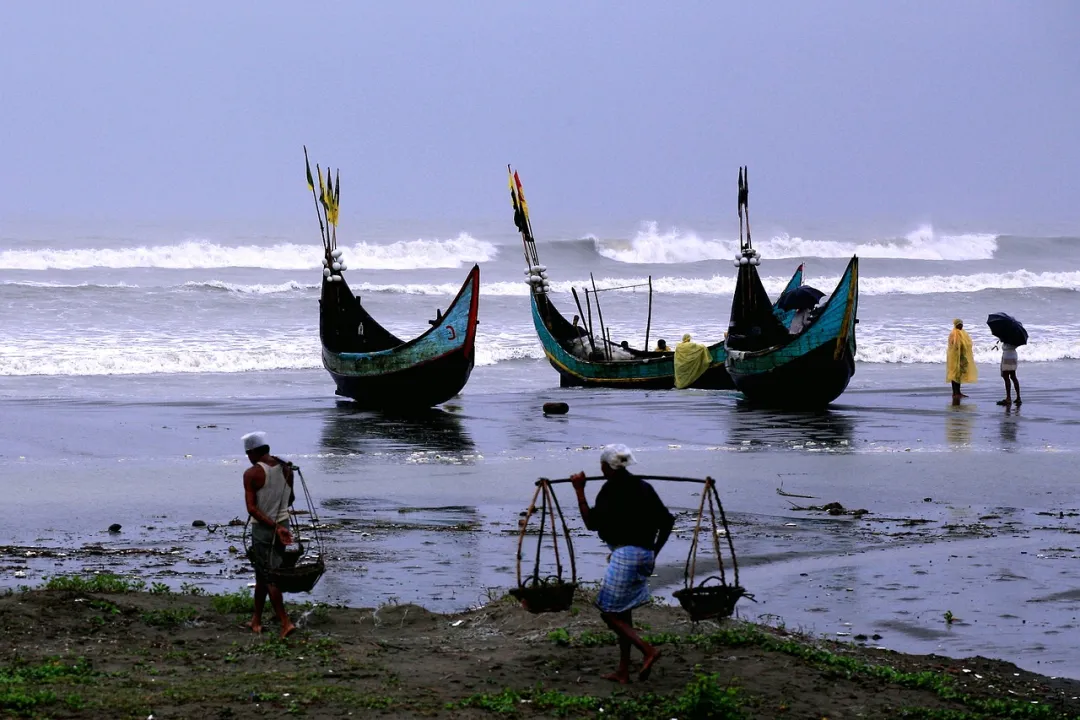
In terms of ocean governance, the agreement requires nations to coordinate their existing marine policies. As the territorial seas of Pacific island nations are contiguous, migratory fish stocks do not respect artificial national boundaries.
Through this agreement, the five countries and territories will attempt to standardize boundary standards and resource management protocols for Marine Protected Areas. This means that when formulating development or protection policies for their respective waters, each nation must refer to the overall standards within the corridor to prevent economic activities in one country from negatively impacting the marine ecosystems of neighboring waters.
Regarding maritime enforcement, illegal, unreported, and unregulated (IUU) fishing activities present a primary threat to the South Pacific region. Constrained by funding and technology, individual island nations often find it difficult to implement comprehensive monitoring across their vast Exclusive Economic Zones (EEZs).
According to the declaration, signatory nations will establish information-sharing and enforcement coordination mechanisms. This includes sharing maritime surveillance data and potentially conducting joint patrols in the future to improve the detection and apprehension rates of fishing vessels entering the region illegally.
Beyond management and law enforcement, MOCOR will also promote the integration of scientific research resources. Currently, Melanesian nations possess varying levels of technical expertise in fields such as deep-sea ecological surveys and fishery stock assessments.
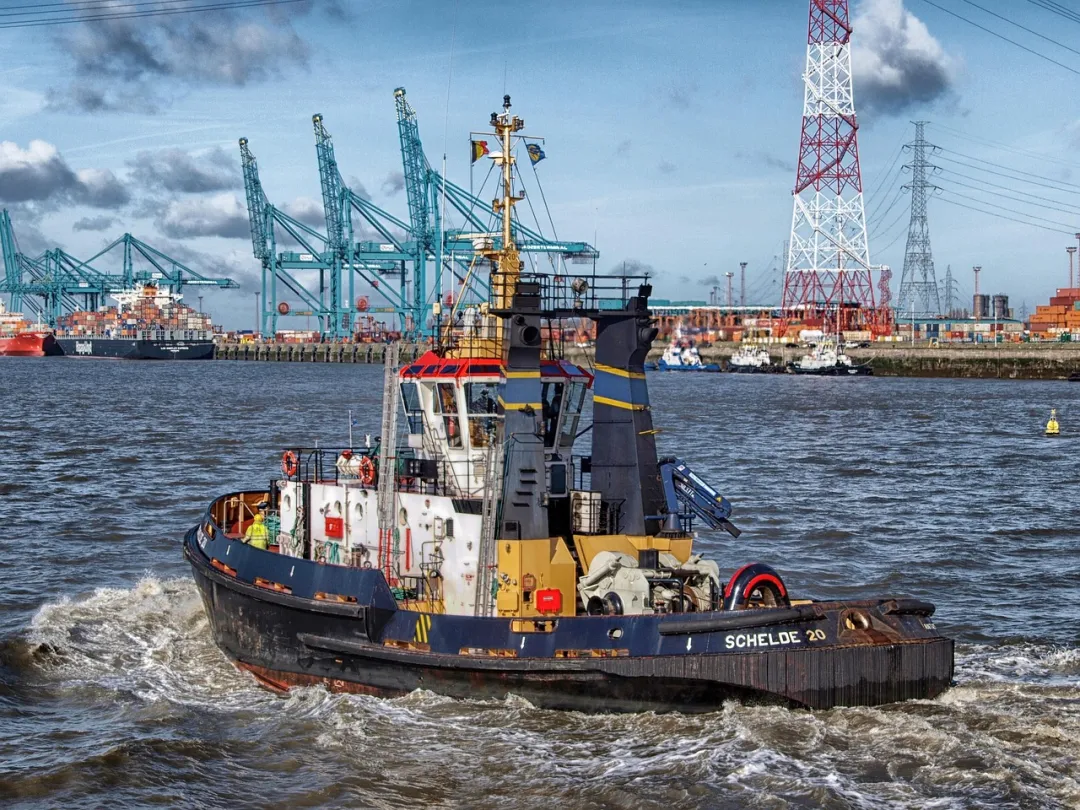
The agreement proposes establishing a scientific research coordination framework, allowing participating nations to share research vessels, technical equipment, and hydrological data.
This data sharing is critical for addressing climate change. The South Pacific marine environment is significantly affected by sea-level rise and ocean acidification. By consolidating scientific resources, participating countries can more accurately predict ecological evolution trends, thereby providing a basis for respective governments to formulate medium-to-long-term disaster mitigation policies.
The signing of this agreement is backed by a clear economic context. Fisheries and marine tourism are vital sources of national income for countries such as PNG, Fiji, and Vanuatu. Protecting the marine environment is directly linked to sustaining the revenues of these pillar industries.
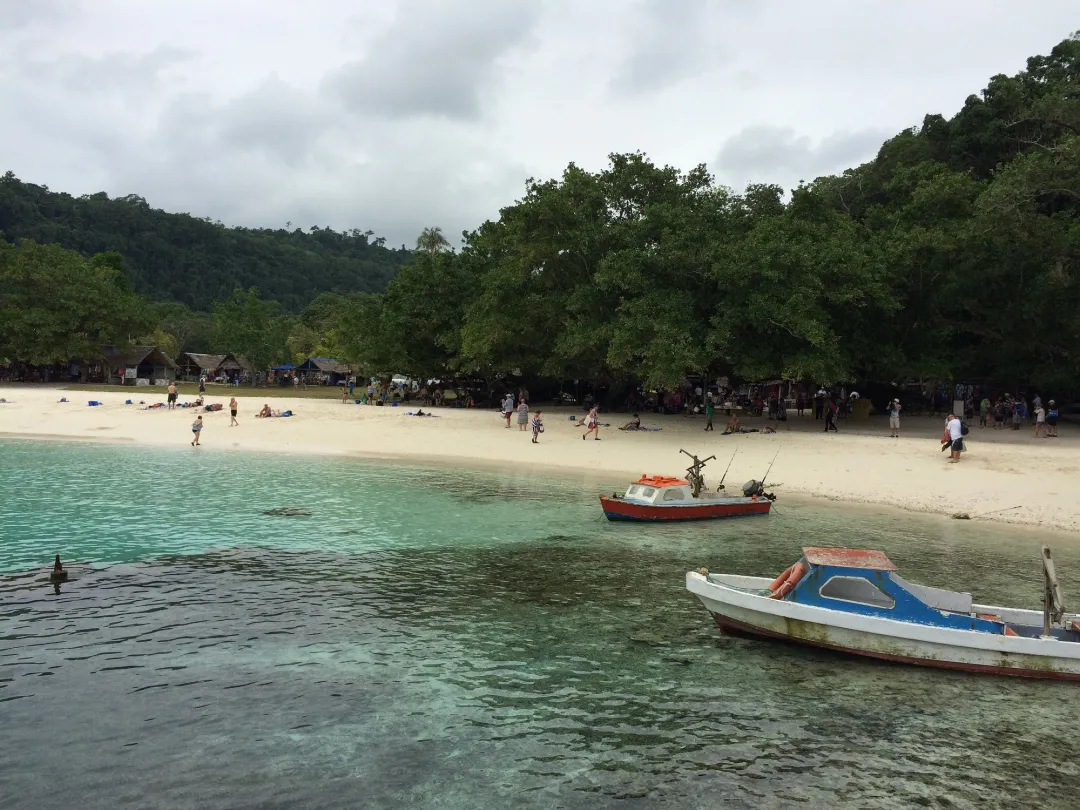
Marape stated at the ceremony that Pacific nations need to share the responsibility of protecting the ocean. He pointed out that by sharing leadership and practical action, countries can better manage their shared resources, thereby supporting the region's long-term development.
This cooperative model is seen as a practical way to realize the "Blue Pacific" vision, integrating fragmented island resources into a regional entity with economies of scale, and strengthening their collective voice in the face of external investment and international negotiations.