
News
[Investment Migration | Issue 26] How St. Kitts Status Successfully Addresses the Three Major Pain Points of High-Net-Worth Individuals!
A single citizenship is becoming a potential systemic risk for high-net-worth individuals.

For many investors who are in the critical phase of wealth protection and family inheritance, blindly pursuing traditional "immigration" often brings lengthy physical residency requirements, family separation across two locations, and heavy global tax burdens.
Resolving Global Emergency Business Travel Pain Points: Bidding Farewell to the Vicious Cycle of Tedious Visas and Missed Business Opportunities For multinational entrepreneurs and international partners, time often directly equates to commercial dividends.

Real Pain Points : Holding a single ordinary passport means that when faced with urgent offshore mergers and acquisitions, temporary business meetings, or sudden market changes, individuals often have to spend weeks or even months waiting for consular visa approvals. This makes it highly susceptible to missing precious business opportunities due to "visa delays."
St. Kitts Solution : St. Kitts citizenship provides a highly valuable "global visa-free network." Holders can enter the UK (visa-free for 6 months per entry), all EU Schengen countries, Singapore, and other core financial and commercial hubs worldwide via visa-free or visa-on-arrival access. This directly reduces your travel decision-making cycle to "zero," ensuring that you can achieve seamless, spontaneous travel under any urgent business windfalls.
Resolving Asset Loss and Tax Transparency Pain Points: Establishing a Compliant Offshore "Safety Firewall" Against the backdrop of the comprehensive rollout of CRS (Common Reporting Standard) and global tax transparency, the offshore wealth accumulated by high-net-worth individuals faces unprecedented exposure risks.

Real Pain Points : Traditional major countries (such as the US, Canada, and Australia) enforce strict global taxation or high property taxes. Not only are asset structures easily penetrated, but individuals must also face heavy capital gains taxes upon asset realization and future inheritance taxes, leading to a significant shrinkage of wealth during intergenerational transmission.
St. Kitts Solution : St. Kitts is a globally renowned "zero-tax haven," with its constitution and tax laws explicitly stipulatingno personal income tax, capital gains tax, net asset tax, inheritance tax, or gift tax . Through St. Kitts citizenship, investors can compliantly establish offshore family trusts or offshore holding companies in the Cayman Islands or under Cayman structures, achieving legal segregation of asset ownership and beneficial rights. Under the premise of full compliance, this builds a legitimate asset protection and tax buffering line of defense for family wealth.
Resolving Family Overall Planning Pain Points: Avoiding the Torture of "Physical Residency Requirements" and Family Disruption Caused by Separation across Two Locations Traditional immigration programs (such as Canada and Australia) often require the primary applicant or their spouse to reside locally for the long term, which imposes immense time costs on entrepreneurs whose domestic businesses are still in an upward trajectory.

Real Pain Points : To maintain an overseas status, individuals are forced to endure "living in separate locations," "long-term separation between spouses," or being forced to abandon core domestic businesses to fulfill "physical residency requirements" abroad, seriously undermining family harmony and career continuity.
St. Kitts Solution : The St. Kitts programhas absolutely no requirements for residency days or physical landing . You can secure your status without leaving your home, without changing your current domestic living habits, and without affecting the operation of your domestic business. At the same time, the policy supports "one person applies, four generations benefit." The primary applicant can include a spouse, minor and unmarried studying children under the age of 30, as well as parents and grandparents over the age of 55. This directly addresses the complex family pain points of "having to take care of domestic business, look after elderly parents, and plan international education for children."
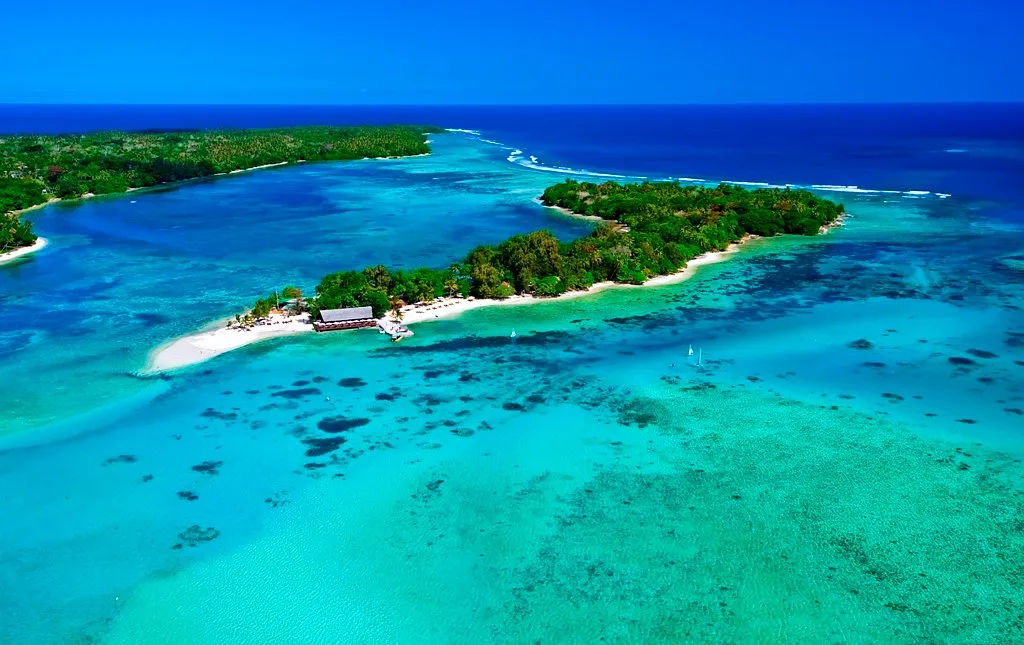
Statutory Security : Established in 1984, the St. Kitts program is the longest-running legislated program globally. Its policy stability and accumulated case history far surpass those of other Caribbean nations.
2026 Latest Policy Changes Considerations : Although earlier policies claimed to achieve "25-day ultra-fast and simple processing," following the comprehensive tightening of risk control and the signing of a memorandum of cooperation by the five Caribbean nations,the current application process has significantly increased the rigor of due diligence. Additionally, the minimum investment has been adjusted to USD 250,000 (donation) or USD 400,000 (real estate) .
New Biometrics Regulation : According to the latest biometric registration requirements implemented in 2026, all holders must cooperate with the authorities to complete the enrollment of fingerprints and facial scans by July 31, 2027. Although this policy change adds procedural steps, in the long run, the rigorous background screening and biometric upgradessignificantly consolidate the international credibility of the St. Kitts passport , mitigating the legal risk of visa-free travel countries (such as the EU and the UK) suddenly revoking visa-free treatment due to passport abuse.