
News
[Investment Migration | Issue 27] How to Mitigate the Risk of St. Kitts Passport Invalidation in 2027 and Easily Establish an Asset Segregation Shield?
As the longest-running "platinum standard" in the field of global citizenship by investment, Saint Kitts and Nevis's recent series of policy adjustments this year has drawn widespread attention within the industry.

In the past, many chose this identity due to its convenient "zero residency" requirement. However, at the beginning of this year, the St. Kitts authorities officially issued Government Gazette No. 4, establishing the new "Genuine Link" regulation. This mandate requires all new and existing citizens by investment to accumulate at least 30 days of physical residency in the country during the first five years of holding citizenship.
Shortly after, on April 14, the government launched a mandatory biometric enrollment project, requiring all holders over the age of five to submit their fingerprints, facial data, and digital signatures. This succession of tightening policies marks St. Kitts' complete departure from the lenient era of absolutely no physical landing requirements.
For investors who already hold or plan to apply for this passport, the most pressing matter is not the rescheduling of physical residency, but rather the upcoming deadline for passport invalidation.
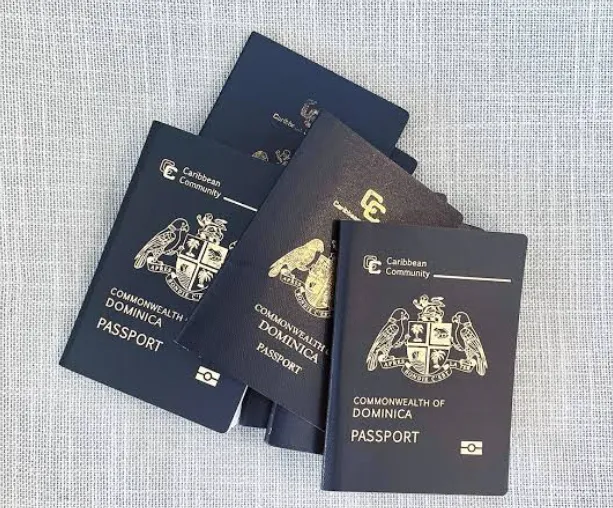
The authorities have established a clear transition period for holders of legacy passports, with a final deadline of July 31, 2027.
If holders fail to visit one of the officially designated global centers to complete biometric enrollment before this date, legacy passports will be directly deactivated in the system by law starting August 1, 2027.
At a time when international security and anti-money laundering background checks are becoming increasingly stringent, this move, although adding procedural steps, legally mitigates the systemic risk of visa-free access countries (such as the EU and UK) suddenly revoking travel privileges.
However, while regulatory control is tightening, St. Kitts is also welcoming a groundbreaking major financial benefit.
On February 24, 2026, the US Financial Crimes Enforcement Network (FinCEN) officially announced the formal withdrawal of its 10-year-long financial advisory against Saint Kitts and Nevis, which had been in place since 2014.
Over the past decade, due to this advisory, St. Kitts passport holders often faced exceptionally tedious scrutiny or outright rejection when opening accounts or conducting large-sum remittances with major international banks.

Now that the advisory has been officially withdrawn, it signifies that St. Kitts' efforts in combating money laundering and rebuilding a compliant offshore order have been recognized by top-tier international regulatory bodies, fundamentally restoring its legal and financial credibility for offshore banking and asset management.
Even with the added residency and biometric registration requirements, and the investment threshold raised to a minimum of USD 250,000 for donations or USD 400,000 for real estate, St. Kitts remains highly practical in addressing the specific pain points of high-net-worth individuals.
It imposes no personal income tax, capital gains tax, or inheritance tax, making it an ideal platform for business owners to construct secure offshore companies or family trusts. Meanwhile, it offers a boundaryless passport granting visa-free access to 156 countries and regions, including the UK, the Schengen Area, and Singapore, liberating business travelers from tedious visa delays.
Compared to emerging programs that face closure or legislative revisions at any moment due to geopolitical fluctuations, this program, which has operated stably since 1984, continues to play an irreplaceable safeguarding role in asset isolation and time planning.

Confronted with this upgrade in legal credibility and the restructuring of regulatory mechanisms, investors should adopt a more rational coping strategy. For families already holding this citizenship, the immediate priority is to plan early to complete fingerprinting and biometric collection at official designated centers before the July 2027 deadline to ensure the continued validity of their passports.
For new applicants, it is essential to align with their rigid demands for offshore banking, asset restructuring, and frequent business travel, integrating a cumulative 30-day island residency over the next five years into their overall planning. By complying with the new regulatory requirements, they can enjoy more robust asset protection delivered by this newly cleared and highly credible passport.