
News
[Investment Migration | Issue 32] St. Kitts Citizenship Guide: Investment + Tax + Dependents + Visa-Free Access to 156 Countries!
As the world's longest-running citizenship-by-investment program, Saint Kitts and Nevis has fully implemented new legislative standards in 2026. The core of the current policy lies in "high thresholds" and "strict auditing," aiming to ensure the international recognition and long-term security of the status. The following is the latest cost and functional guide compiled in response to the 2026 policy environment.
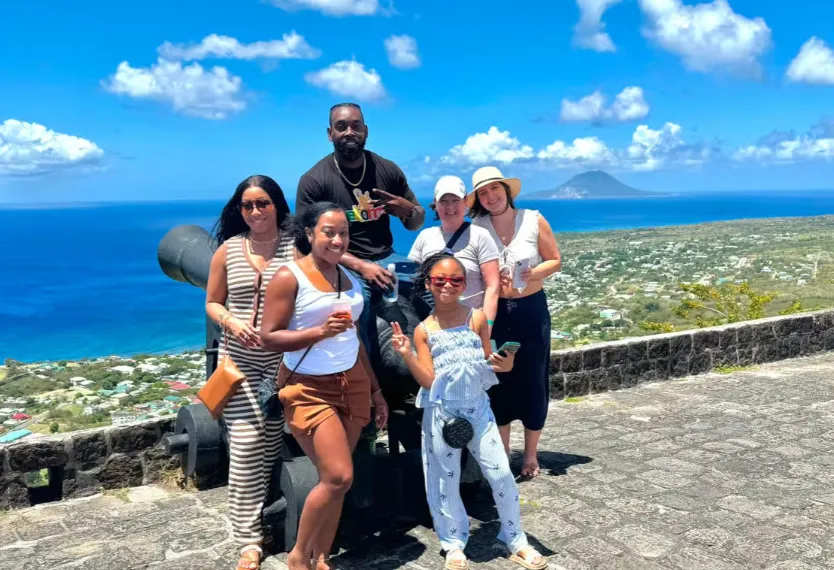
According to the current 2026 act, the most direct pathway to citizenship is making a contribution to the "Sustainable Island State Contribution" (SISC) fund. The current donation thresholds are as follows:
Single Applicant: USD 250,000;
Main Applicant and Spouse: USD 300,000;
Family of Four (Main Applicant + Spouse + Two Dependents): USD 350,000.
On top of the basic donation, applicants are also responsible for statutory government fees and due diligence fees. The due diligence fee is USD 10,000 for the main applicant and USD 7,500 for each dependent aged 16 and above.
Under the 2026 approval process, a mandatory remote video interview has become a standard procedure, which all applicants aged 16 and above must attend. Upon passing the interview and completing the investment, applicants will receive their Certificate of Citizenship and passport, with the overall processing timeline currently remaining stable at 4 to 6 months.
The practicality of St. Kitts citizenship in financial planning is primarily reflected in its tax regime. The country does not tax the global offshore income of its citizens, and imposes no personal income tax, capital gains tax, net wealth tax, gift tax, or inheritance tax.

Under the international tax landscape of 2026, St. Kitts holds three most advantageous values:
Offshore Account Opening: Holding a St. Kitts passport along with its supporting tax identification number serves as a valid and compliant document for opening personal or corporate accounts with international financial institutions, bypassing the transaction limits or rigorous scrutiny faced by major-country citizenships when opening accounts.
Offshore Structure Construction: St. Kitts citizenship is the legal foundation for establishing offshore companies and family trusts. Business owners can achieve the physical isolation of assets through these structures, reducing tax costs in cross-border trade and investment.
Asset Preservation and Inheritance: Since there is no inheritance tax, St. Kitts citizenship is frequently utilized for the tax-free transfer of family wealth, ensuring that assets are not significantly diluted during generational transitions.
The practical functionalities of St. Kitts citizenship also cover daily travel and children's educational requirements:
Business Travel: In 2026, the St. Kitts passport grants visa-free or visa-on-arrival entry to over 150 countries and regions worldwide, including the UK, Singapore, Hong Kong, and the EU Schengen Zone. For professionals needing to travel abroad at short notice for business negotiations, it completely bypasses lengthy visa waiting periods.
International Education: Most top schools for children of foreign nationals in China require students to hold a foreign passport to apply. By acquiring St. Kitts citizenship, children can legally enroll in these schools and receive international curriculum education within the country. Furthermore, when applying to prestigious Western universities, applying as an international student often unlocks separate admission quotas, bypassing intense domestic competition.
The St. Kitts legislation sets out clear requirements regarding the age and financial dependency of accompanying family members:
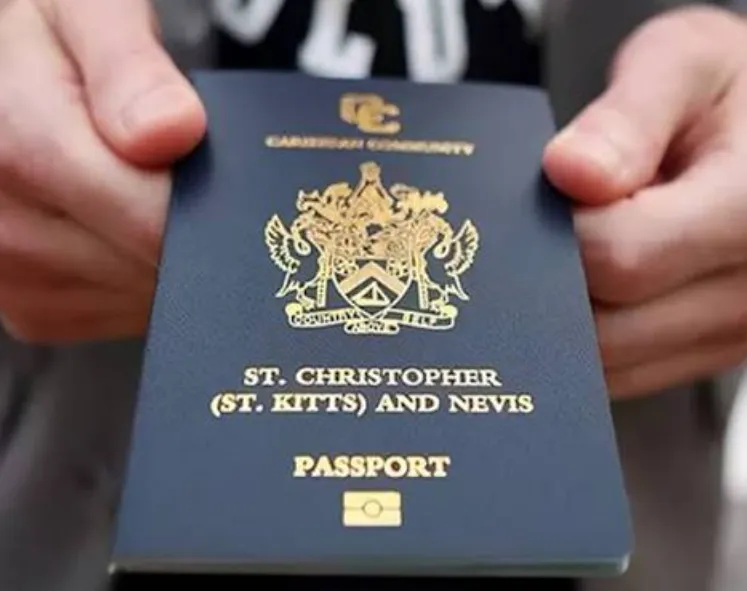
Spouse: The legally wedded spouse of the main applicant may be included.
Children: Children under 18 years of age can be directly included; children aged 18 to 25 must prove they are enrolled in full-time education and are fully dependent on their parents.
Parents: Parents or grandparents of the main applicant or their spouse must be over 65 years of age and must prove that they financially rely on the main applicant for their livelihood.
St. Kitts citizenship is permanent, and the right of citizenship can be inherited by future generations. As St. Kitts is a Commonwealth member nation, holders enjoy specific privileges within the Commonwealth system. The Caribbean Investment Migration Bureau advises that because due diligence procedures in 2026 are exceptionally rigorous, applicants must ensure that all submitted bank statements and source of wealth documents are thorough and accurate to ensure a smooth passage through the video interview.