
News
[Investment Immigration | Issue 34] What challenges come with using a small-country passport to switch your child's educational track?
Beyond its well-known citizenship-by-investment program, St. Kitts is also a prime destination for many families choosing to settle long-term or accompany their children for studies.

Combining an authentic Commonwealth English-speaking environment with North American-style living, it is a comfortable, goal-oriented choice for families seeking to shield their children from grueling test prep and exam pressures while nurturing their growth in a natural setting.
Passport Investment Thresholds & Application Process
Under local law, individuals cannot submit applications directly to the Citizenship by Investment Unit (CIU); they must engage an officially licensed and authorized agent.
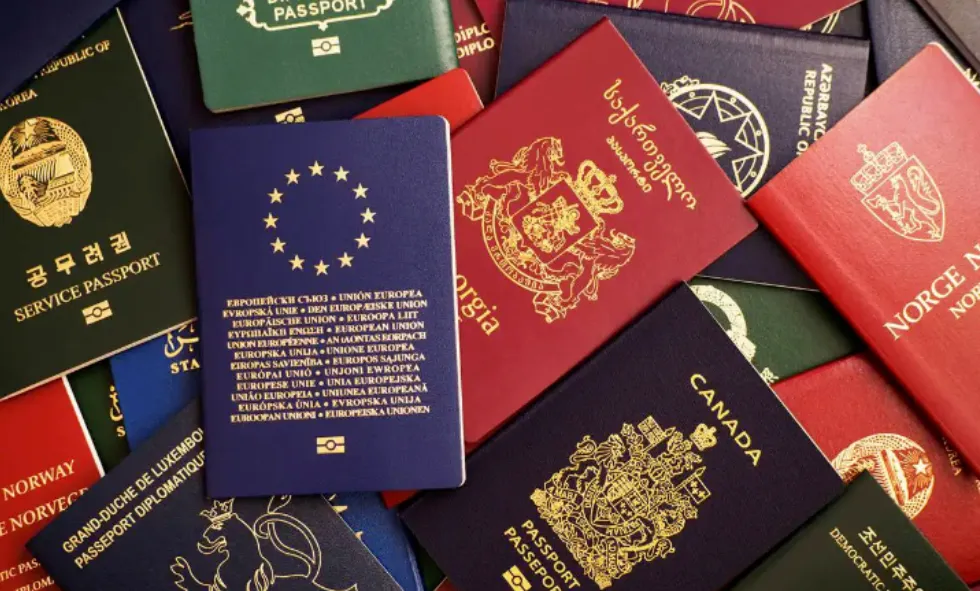
Investment options primarily fall into two categories:
First is a non-refundable contribution to the state fund, starting at $250,000 for a single applicant, paid directly into government accounts—offering the most straightforward and hassle-free process. Second is purchasing government-approved real estate, such as hotel condominiums or private residences, which must be held for at least 7 years before resale, along with several tens of thousands of dollars in government processing fees.
Main applicants who are at least 18 years old, in good health, with a clean criminal record and verifiable lawful sources of funds, can include their spouse, unmarried dependent children under 30 in full-time education, and dependent parents aged 55 and above. Family members aged 16 and over only need to complete a remote virtual interview from home. Once official due diligence is cleared and Approval-in-Principle is granted, the applicant remits the investment funds, after which the Certificate of Registration (citizenship certificate) and passports are issued—with no need to travel to the island at any point.
Island Life & Daily Living Expenses
Daily living costs on the island generally align with North American standards. The local currency, the Eastern Caribbean Dollar (XCD), is pegged to the US Dollar at a fixed rate of 2.7:1, and USD is accepted everywhere on the island.
Grocery shopping is very convenient. The capital, Basseterre, features modern supermarkets like Ram’s, where dairy products, meats, and snacks are shipped directly from Florida via cold-chain sea freight. A family of three typically spends just over $1,000 per month on groceries. For fresh and budget-friendly produce, heading to the local dockside market early on weekend mornings offers freshly caught grouper, lobster, and a wide variety of tropical fruits.
Expat families commonly reside in the scenic and safe community of Frigate Bay, mostly living in ocean-view villas complete with private gardens and swimming pools.
Getting around is easy with a used SUV, which is sufficient to navigate the entire island. Local clinics handle general ailments and basic medical care; because Miami is just a short flight away, resident families typically maintain comprehensive global private health insurance to access top-tier medical care in North America when needed.
International Education & Academic Pathways
The educational pace here is relaxed yet enriching. Expat families generally enroll their children in St. Kitts International Academy (SKIA) in Frigate Bay, which covers all grade levels from kindergarten to high school.

With small class sizes of just 10 to 15 students, teachers can closely monitor and support each child's individual progress. Classes run from 8:00 AM to 2:30 PM daily, without overwhelming homework or excessive tests. After school, children often learn sailing, surfing, tennis, and golf in the gentle sea breeze.
The high school curriculum fully aligns with British and American systems, offering IGCSE and AP courses, ensuring smooth pathways for future higher education.
Top-performing students can apply directly to prestigious universities across the UK, US, and Canada; they can also enroll in the island's University of Medicine and Health Sciences (UMHS), completing basic medical coursework before transitioning to US partner teaching hospitals for clinical clerkships and pursuing US medical licensure; for those planning to return home for higher education, residing locally for "at least 18 cumulative months within 2 years" qualifies the student to take the Joint Entrance Examination for Overseas Chinese Students, allowing admission to top domestic universities with more favorable score requirements.
Source of Funds Compliance & Risk Assessment
Before starting the application, several key requirements and potential risks must be evaluated in advance.
First is the fund transfer path: the full investment amount must be wired in USD from the applicant's compliant offshore bank account (such as in Hong Kong, Singapore, or the United States), backed by clear proof of lawful origin (such as salary dividends, property sale proceeds, or investment redemptions). Any funds transferred via unauthorized channels will directly result in visa refusal.
Second, be cautious of so-called "heavily discounted property financing" options. Such gray-market practices are strictly prohibited and cracked down on by multiple authorities, and can easily lead to the subsequent revocation of your citizenship status.
Finally, St. Kitts conducts extremely stringent due diligence checks. Any history of visa refusals from visa-free partner countries (such as the UK or the Schengen Area) without subsequent re-approval, or backgrounds involving Politically Exposed Persons (PEPs) or international sanctions, will result in an outright rejection. Therefore, a thorough and comprehensive personal assessment is essential prior to launching the process.